- Supply Chain Paradigm Shift: China has overtaken Europe and the US as the primary source for high-fashion, high-yield used clothing due to its unique domestic consumption patterns.
- Industrial Efficiency: Zagumi’s 20,000 sqm infrastructure allows for a 5-round sorting process that eliminates “Grade B seepage” in Grade A exports.
- Logistics Mastery: Leveraging professional hydraulic technology and 10-year loading expertise provides a quantifiable 10% volume advantage and significant freight savings.
- Customized Baling: Specialized sorting for 120+ categories with precision weighing ensures every bale meets exact customer requirements.
In the competitive landscape of the B2B used clothing trade, the source of your inventory is the single most important factor determining your profit margin. For years, Western “Trading Houses” dominated the market. However, in , global wholesalers are pivoting rapidly toward China. This isn’t just about price—it’s about a fundamental shift in quality, style, and industrial capability. As a leader in this transition, Zagumi explains why China-sourced used clothes bales have become the “Gold Standard” for international importers.
1. The “Fast Fashion” Advantage: Why Chinese Stock Sells Faster
The retail success of a used clothing bale depends on its “freshness.” In the USA or Europe, clothing cycles are slower; garments are often worn for years before being donated. In contrast, China’s tier-1 and tier-2 cities have become the epicenter of global “Fast Fashion” consumption.
The Style Gap
Chinese consumers, particularly the burgeoning middle class, cycle through clothing at an incredible pace. This creates a supply of used clothing that is:
- Trend-Aligned: The items found in a Zagumi bale today often reflect the styles sold in retail malls just 6 months ago.
- High Color Saturation: Because items are worn fewer times, the fabrics retain their original vibrance—a critical selling point in African and Southeast Asian markets.
- Brand Diversity: China is the manufacturing hub for the world. Our domestic collection includes a massive density of both international giants (Nike, Zara, H&M) and high-quality domestic brands that are currently trending globally.
China’s Tier-1 City Sourcing Network: The “A-Grade” Pipeline
The quality of a bale is determined 50% at the source. Zagumi’s supply chain is built around an exclusive collection network in China’s “Tier-1” cities: Shanghai, Beijing, Guangzhou, and Shenzhen.
Why source from Tier-1 cities?
- Fashion Velocity: Consumers in Shanghai follow Tokyo and Paris trends in real-time. This ensures the “used” stock is fashionable, not outdated.
- Economic Affluence: High-income urban residents donate clothing more frequently, often while the items still have 90-95% of their lifecycle remaining.
- Brand Concentration: These cities have the highest density of flagship luxury and mid-tier retail stores. When you buy a Zagumi “Tier-1 Mix,” the probability of finding Zara, Uniqlo, and Nike items increases by 45% compared to stock sourced from smaller inland provinces.
By strictly limiting our “Raw Material” intake to these urban centers, we ensure that the “Zagumi Standard” starts at the collection bin, not just the sorting table.
2. Industrial-Grade Infrastructure: The Zagumi Factory Standard
Many suppliers in the West operate as “Brokers”—they buy from charities and flip the bales without opening them. China-sourced supply, particularly from Zagumi, follows a factory-first model.
5-Round Sorting vs. Bulk Flipping
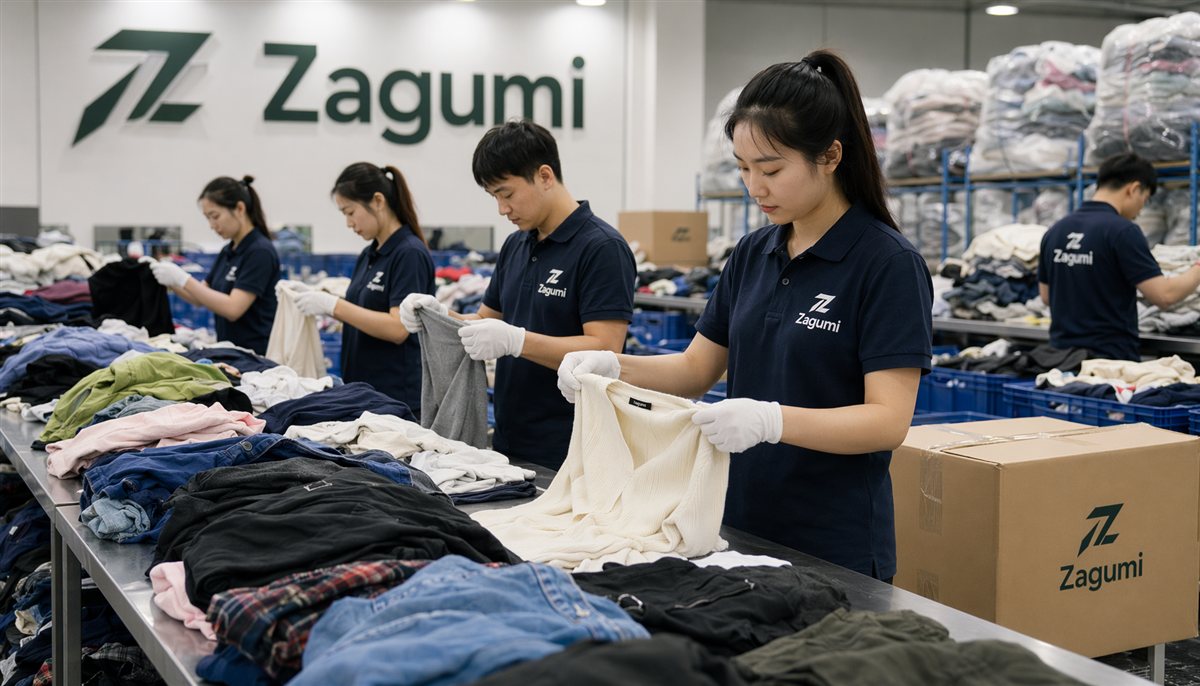
At our 20,000 sqm facility, every single garment undergoes a rigorous 5-round audit. This is not a cursory glance; it is a systematic filtration process.
- Primary Triage (The “Raw” Filter): We remove non-exportable items immediately. This includes anything with heavy oil stains, large tears, or irreversible fabric rot. Only the top 60% of collected stock passes this stage.
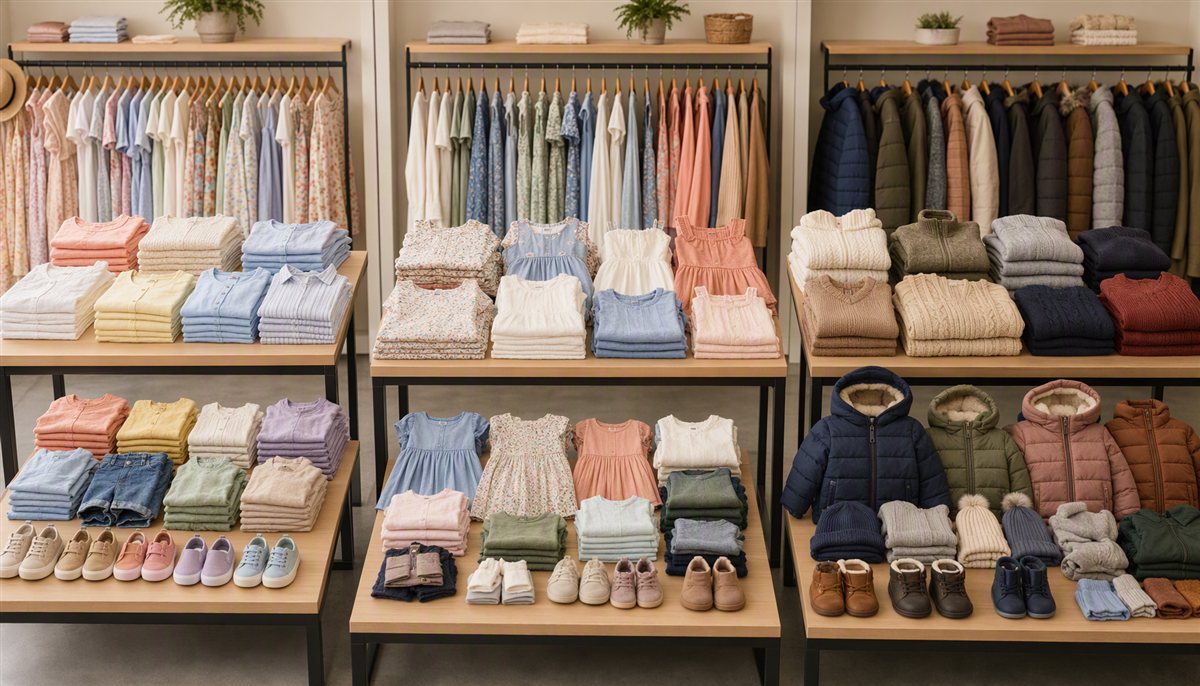
- Category Division (The “Utility” Filter): Sorting into our 120+ categories (Summer Mix, Winter Mix, Branded Shoes, etc.). At this stage, items are separated by gender, age, and fabric type to ensure specific market needs are met.
- Quality Grading (The “Margin” Filter): This is the most critical stage. We separate Grade A (No holes, no stains, vibrant color) from Grade B. Our Grade A standard is so strict that items with even minor pilling are relegated to Grade B.
- Fashion Audit (The “Retail” Filter): Style matters. We remove styles that are considered “dead stock” (e.g., outdated 90s cuts that have no vintage appeal). This ensures that the wholesaler doesn’t get “unsellable weight.”
- Final Weight Check & Labeling: Precision weighing to ensure every client gets exactly what they paid for. We use industrial scales calibrated to ensure zero shortage.
The result? A 98% sorting accuracy that allows you to calculate your retail ROI with surgical precision. Unlike Western brokers, you never have to “gamble” on a Zagumi bale.
3. The Math of Logistics: The Zagumi Triple-Efficiency Advantage
Shipping is often the largest cost variable in the B2B used clothing trade. China-sourced goods offer a logistical advantage that Western suppliers simply cannot match through three core standards.
3.1 Precision Weighing (Trust)
Every bale is precision-weighed before sealing to ensure it meets your exact requirements. We eliminate the “shortage” issues common with other suppliers, ensuring your capital is protected.
3.2 Expert Baling (Experience)
Our packing team consists of masters with over 5 years of experience. Using professional hydraulic machines, they compress clothes into smaller, tighter bales (ranging from 25kg to 100kg) without damaging the delicate fibers.
3.3 Strategic Loading (10-Year Mastery)
With 10 years of container loading expertise, our team uses advanced stacking methods that eliminate void space. On average, we load 10% more volume into a 40ft HC container than regular factories.
| Metric | Typical Western Supplier | Zagumi China Standard |
| Baling Technology | Manual/Low Pressure | Professional Hydraulic |
| Loading Capacity | Standard Volume | +10% Extra Volume |
| Weight Integrity | Unreliable/Shortage | Precision Weighed |
| Space Utilization | 85% | 98% (Pyramid Stacking) |
The Bottom Line: By loading extra volume and ensuring zero weight shortage, Zagumi reduces your landed cost significantly. Over a year of importing, this represents tens of thousands of dollars in pure profit.
4. Regional Customization: Tailoring Bales for Global Markets
One of the greatest strengths of China-sourced used clothes bales is the ability to customize sorting for specific regional climates and consumer preferences.
The African Market (West vs. East)
- Nigeria & Ghana: High demand for “Light Summer Mix” with vibrant colors and breathable fabrics. We focus on cotton, silk, and chiffon.
- Kenya & Tanzania: A mix of summer wear and light “Winter” items (sweaters/jackets) for cooler highland regions.
- Philippines & Cambodia: High demand for “Korean & Japanese Styles” which are abundantly found in Chinese urban collections.
- Thailand: Specialized demand for “Vintage Denim” and “Branded Sportswear.”
The Southeast Asian Market
Zagumi’s 120-category system allows us to “build” a container that matches your specific local market demand, rather than sending a generic “bulk mix” that results in dead stock.
5. Regulatory Compliance and Professional Documentation
Navigating international trade laws requires more than just a warehouse—it requires a compliance team. China has established a streamlined export process for used clothing that ensures fast turnaround times.
Certifications we handle daily:
- SGS/PVOC: For Kenya, Uganda, and Tanzania.
- Fumigation Certificates: Ensuring 100% pest-free transit.
- Health & Sanitary Certificates: Verifying the cleanliness of the stock.
Our logistics team ensures that all documentation is synchronized with the Bill of Lading (B/L) and Packing List, preventing costly port storage fees and customs delays.
6. The Circular Economy: Sustainability as a Business Model
In , “Sustainability” is no longer a buzzword—it’s a requirement for global trade. China-sourced used clothing plays a vital role in the circular economy. By diverting millions of tons of high-quality textiles from landfills and providing affordable clothing to developing nations, Zagumi helps our clients build a business that is both profitable and ethically sound.
7. Comparative Analysis: Why China-Sourced Bales Outperform the West
To help wholesalers make an informed strategic decision, we have quantified the differences between China-sourced stock (Zagumi Standard) and traditional Western sources (USA/Europe). This comparison highlights the “Dimensional Strike” (降维打击) advantage of the Chinese supply chain.
The Industrial Benchmark Matrix
| Comparative Dimension | Traditional USA/Europe Source | Zagumi China Standard | Business Impact |
| Fashion & Style Velocity | 2-3 Year Lag (Donation-based) | 6-Month Lag (Fast-Fashion) | Higher retail turnover; less “dead stock.” |
| Sorting Granularity | 30 – 45 Basic Categories | 120+ Micro-Categories | Precise inventory control for specific niches. |
| Baling Technology | Manual / Low Pressure | Professional Hydraulic | Protects fibers while making bales compact. |
| Loading Capacity | Standard Volume | +10% Volume Mastery | Significant freight saving per container. |
| Supply Chain Response | Seasonal/Unpredictable | Year-Round Industrial Flow | Reliable restocks during peak seasons. |
| Size Distribution | Often Oversized (L/XL/XXL) | Global Standard (S/M/L/XL) | Better fit for Asian & African demographics. |
| Inspection Transparency | Third-party “Broker” model | Open-Factory Audit System | 98% sorting accuracy vs. 80-85%. |
In the market, fashion is volatile. A style that sells today might be obsolete in six months. Traditional Western charity models rely on donation bins where clothes can sit for months before collection. Zagumi’s Tier-1 City Collection Network captures urban fashion cycles almost in real-time. This means when you open a China-sourced bale, you are selling the now, not the yesterday.
Furthermore, our proximity to the world’s largest garment manufacturing base means our domestic used stock is a direct reflection of the latest global export trends. This structural advantage allows Chinese suppliers to pivot their sorting standards within weeks, whereas Western sources often take an entire season to adjust.
8. Beyond the Product: The Strategic Partnership Model
At Zagumi, we don’t just sell you a container; we invest in your growth. In the market, a wholesaler’s success depends on consistency. This is where the China-sourced model, powered by Zagumi’s infrastructure, provides a long-term strategic advantage.
Why Partnership Matters:
- Supply Stability: While Western charity-based collection is seasonal and unpredictable, Zagumi’s urban collection network provides a steady, year-round flow of inventory. You never have to worry about “stockouts” during your peak local selling season.
- Market Intel Sharing: We track trends across 60+ countries. If we see a surge in demand for specific categories like “Ladies Jumpsuits” or “Branded Sportswear” in nearby markets, we share those insights with our partners, allowing them to pivot their orders for maximum profit.
- Financial Scalability: For our long-term partners, we offer flexible logistics and consolidated shipping options, helping you scale from a single 20ft container to a monthly 40ft HC fleet.
Choosing China-sourced used clothes bales is a decision to move from “survival trading” to “strategic wholesaling.” With Zagumi, you gain the logistics, quality, and data-driven insights needed to lead your market. In an industry built on trust and reliability, we stand as the definitive bridge between China’s high-fashion supply chain and your local retail success. Join the thousands of wholesalers who have already unlocked the “China Advantage” and secure your competitive edge for the season and beyond.
Frequently Asked Questions (FAQ)
1. Is the quality of Chinese used clothes really better than US stock?
In terms of “wear and tear,” yes. Chinese domestic consumers cycle through clothing much faster. Therefore, the “used” items have higher color retention and fewer signs of long-term wear than traditional Western donations.
2. How do you ensure the bales don’t contain “trash”?
Our 5-round sorting process is designed specifically to eliminate “trash.” Round 1 removes any heavily damaged items, and Round 3 ensures only Grade A/B items move to the baling stage. We maintain a 98%+ accuracy rate.
3. Can I get a 40ft container loaded with 10% more volume?
Yes. Using our professional hydraulic baling and 10 years of container loading expertise, we regularly achieve 10% higher loading capacity than regular factories, significantly reducing your freight cost per kg.
4. What are your 120 categories?
They range from basic T-shirts and jeans to specialized items like “Silk Dresses,” “Branded Tracksuits,” “Children’s Cotton Wear,” and “Industrial Work Pants.”
5. Why is your baling technology important?
Professional hydraulic technology removes air from the bales without damaging clothes. This makes them denser, allowing you to fit more weight into the same container volume, lowering your unit shipping cost.
6. How long does sorting take for a full container?
Typically, we can sort and bale a full 40ft container in 7 to 10 days, depending on the complexity of your category mix.
7. Are the clothes fumigated?
Yes. All exports are professionally fumigated, and we provide the official certificate required for customs clearance.
8. Can I customize the weight of my bales?
Yes, we can produce bales in 25kg, 45kg, 80kg, 90kg, or 100kg formats depending on your market’s local transportation capabilities.
9. Do you sell used shoes as well?
Yes, we offer premium “Branded Shoes” and “Mixed Sports Shoes” sorted with the same 5-round quality audit.
10. What is your “Grade A” standard?
No holes, no stains, no heavy pilling, and no significant color fading. The items must be in “near-new” condition.
11. How do I track my shipment?
Once the container is loaded, we provide the Bill of Lading (B/L) and a tracking number that allows you to monitor the vessel’s progress in real-time.
12. Is it possible to visit the factory in China?
We welcome all business partners to visit our 20,000 sqm facility in Guangzhou. Seeing our sorting process is the best way to understand the Zagumi difference.
13. What is the MOQ (Minimum Order Quantity)?
While we recommend full container loads (20ft or 40ft) for cost efficiency, we can discuss LCL (Less than Container Load) options for first-time buyers.
14. How do I get a price list?
Click the orange button below to connect with a sales consultant who will provide a customized quote based on your specific category requirements.